
By Genet Hailu
Managing contracts in construction is crucial for several reasons. Here are some of them:
Clear Expectations: Contracts outline the terms, conditions, and expectations of all parties involved in a construction project. Effective contract management ensures that all stakeholders have a clear understanding of their roles, responsibilities, and obligations.

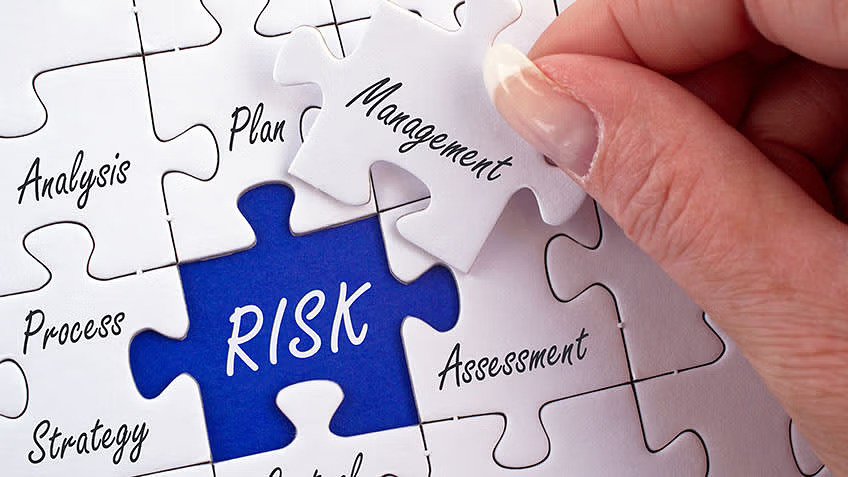
Risk Mitigation: Properly managed contracts help identify and mitigate risks. They establish procedures for handling unforeseen events, change orders, delays, and disputes, reducing the potential for conflicts and legal issues.
Cost Control: Contracts set the financial parameters of the project, including budgets, payment schedules, and penalties for delays or breaches. Efficient management helps control costs by tracking expenditures, managing variations, and ensuring compliance with agreed-upon budgets.

Timeline Management: Contracts establish project timelines, milestones, and completion dates. Effective contract management involves monitoring progress, identifying potential delays, and implementing measures to keep the project on schedule.

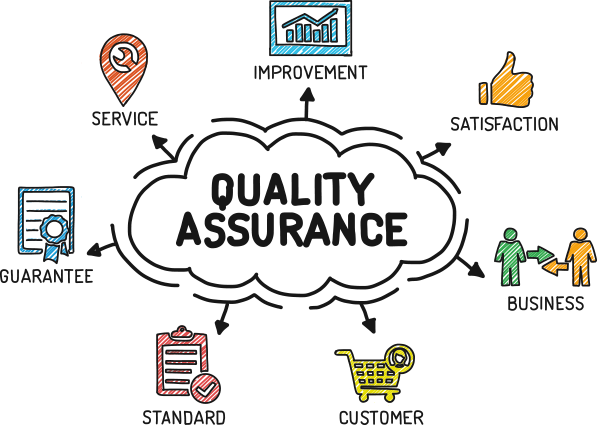
Quality Assurance: Contracts often include specifications for materials, workmanship, and quality standards. Managing contracts involves ensuring that these specifications are met to deliver a high-quality final product.
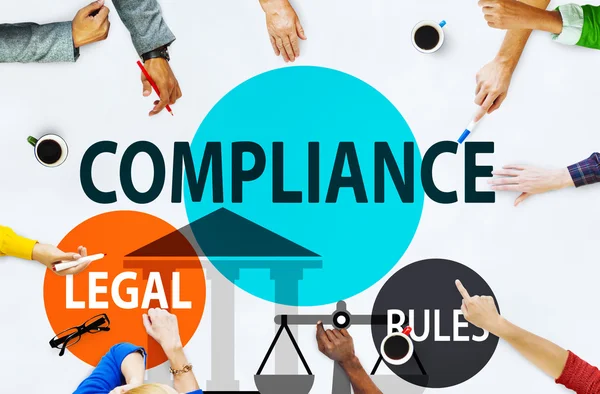
Compliance and Legal Protection: Contracts ensure compliance with regulatory requirements and industry standards. Properly managed contracts provide a legal framework that protects the interests of all parties involved, reducing the likelihood of disputes and legal liabilities.
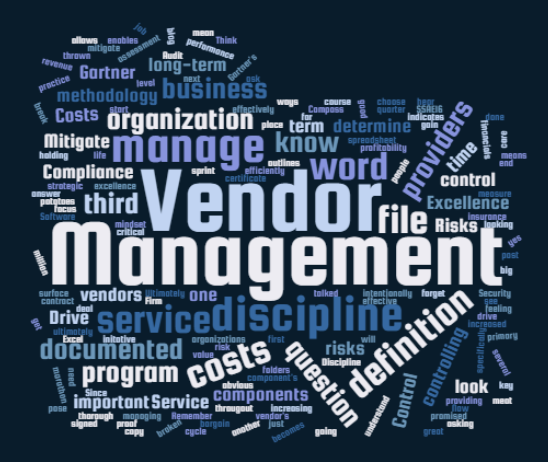
Supplier and Vendor Management: Construction projects involve multiple suppliers, vendors, and subcontractors. Effective contract management involves overseeing these relationships, ensuring they deliver as per agreements, and addressing any issues that may arise.
Client Satisfaction: Properly managed contracts contribute to client satisfaction by meeting expectations, delivering within budget, and adhering to agreed-upon timelines. Satisfied clients are more likely to provide positive feedback and recommendations for future projects.

In essence, efficient contract management in construction is pivotal for ensuring project success, minimizing risks, controlling costs, adhering to timelines, and maintaining positive relationships among all involved parties. It establishes a framework that fosters accountability, transparency, and successful project outcomes.